Securing an accurate pest control service Memphis property owners can rely on requires targeted mechanical barriers and microencapsulated perimeter applications rather than generic interior chemical sprays. The humid subtropical environment of the lower Mississippi River basin creates sustained biological pressure, driving subterranean termites, German cockroaches, and invasive rodents directly into crawl spaces and slab foundations.
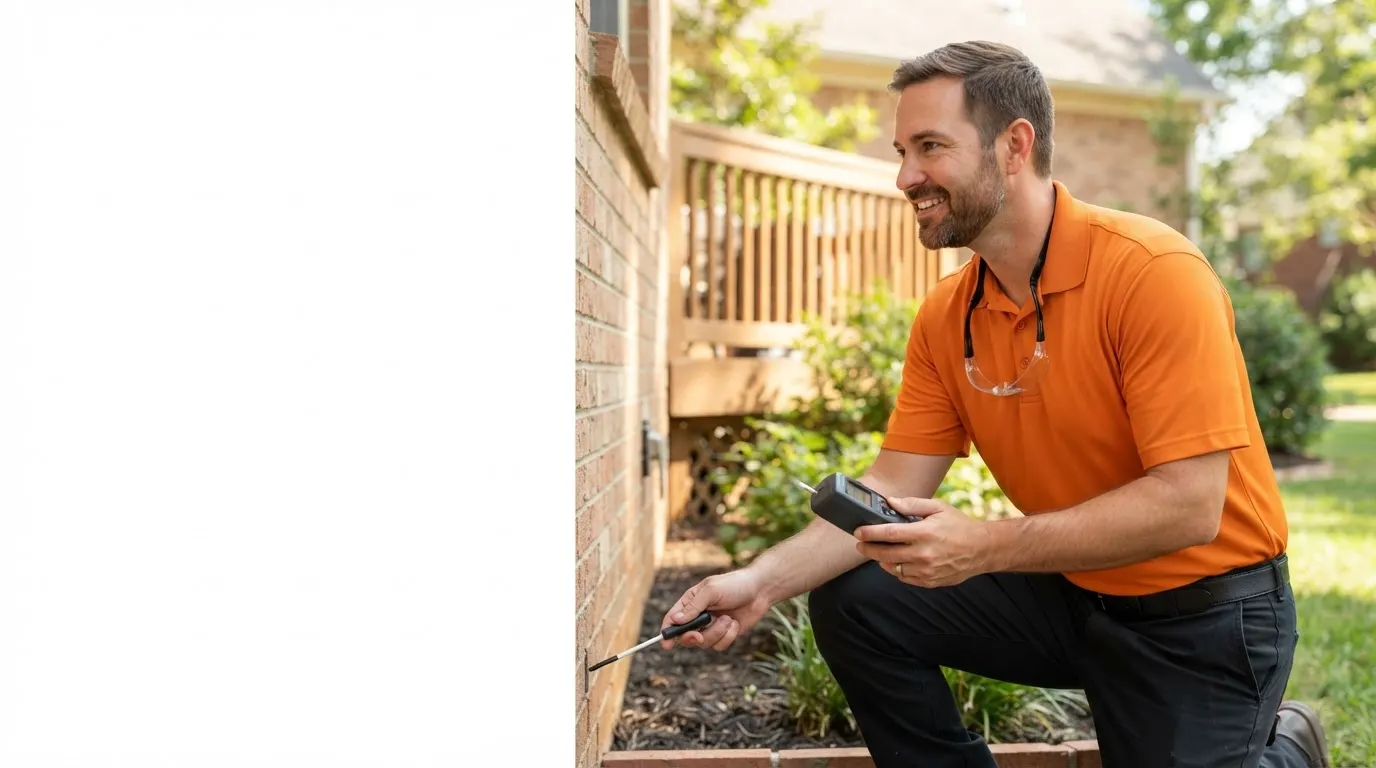
Pest control service in Memphis is a specialized structural inspection and bio-rational application protocol that detects, suppresses, and mechanically excludes invasive insect and rodent populations from residential and commercial structures across Shelby County.
Every service reflects the same meticulous attention to detail, whether it's a single job or a larger pest control service project across Memphis.
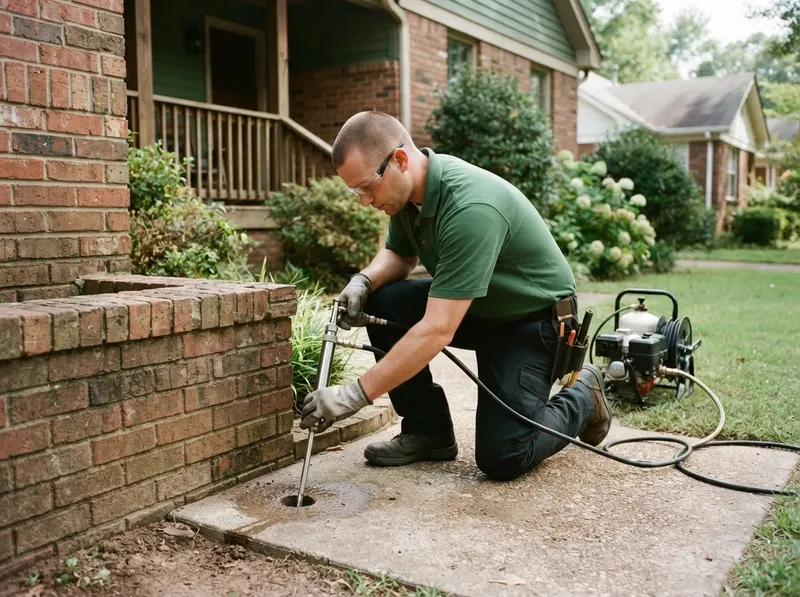
Subterranean termite treatments address Reticulitermes species active in the heavy alluvial soils of the Mississippi basin. Technicians establish continuous non-repellent liquid soil barriers via trenching and sub-slab rodding around foundation walls, expansion joints, and plumbing penetrations. Borate salt diffusions are applied directly to unfinished framing timber inside crawl spaces to chemically disrupt cellulose digestion, neutralizing hidden colonies and protecting home framing against structural compromise without off-gassing into interior living zones. Detailed post-treatment inspections evaluate critical clearance heights between raw wood framing and damp soil to verify that ground moisture wicking is halted permanently across residential substructures.
Get a quote →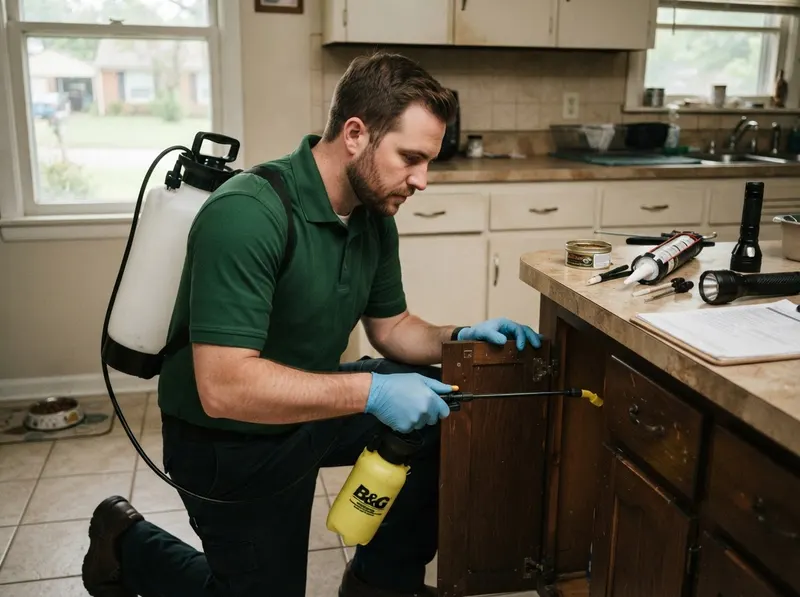
Residential cockroach remediation separates perimeter-invading American roaches from indoor-nesting German cockroach populations. The protocol avoids indiscriminate aerosol fogging in favor of targeted abamectin and dinotefuran gel matrices placed directly into cabinet hinges, void spaces, and appliance heat wells. Integrating synthetic juvenile hormone mimics disrupts the nymphal molting process, arresting reproductive cycles across multi-unit or single-family structures without leaving synthetic odors or volatile airborne residues. Technicians execute comprehensive vacuum extractions of aggregation clusters using HEPA filtration equipment, immediately lowering allergen counts and suppressing reproductive population densities on the primary visit.
Get a quote →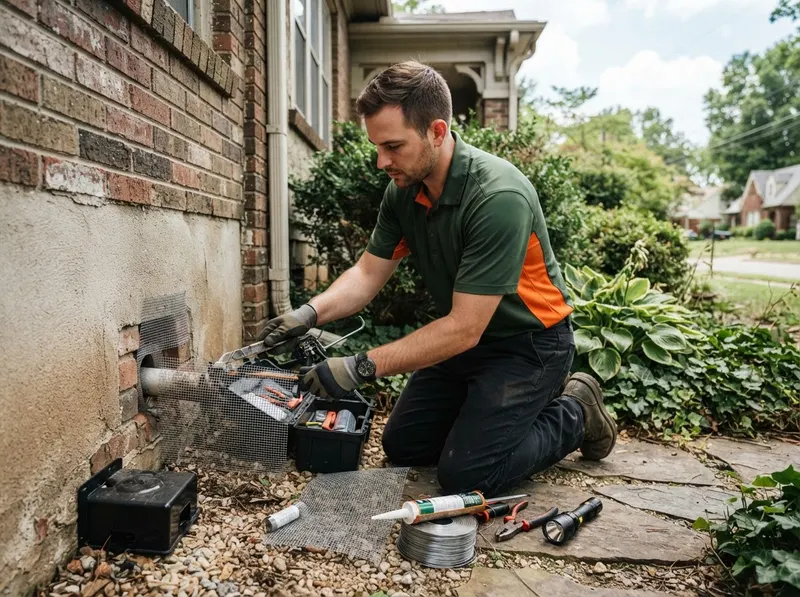
Exterior rodent exclusion tackles Norway rats, roof rats, and house mice seeking harborage in residential attics and crawl spaces. Technicians conduct an exterior envelope survey, sealing structural openings 0.25 inches or larger using heavy galvanized steel hardware cloth, copper mesh, and elastomeric sealants. Strategic mechanical trapping grids clear interior attic zones without utilizing anticoagulant rodenticides indoors, completely eliminating secondary toxicity risks to neighborhood pets and preventing animal expiration inside wall cavities. Envelope inspections thoroughly assess rooftop soffits, fascia junctions, and air conditioning line chases, verifying structural integrity against aggressive gnawing vectors.
Get a quote →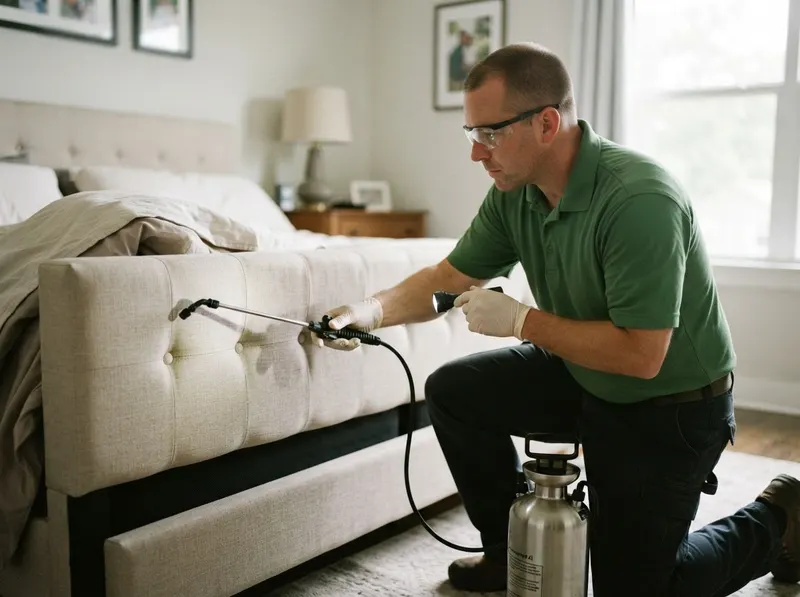
Targeted bed bug eradication utilizes dual-action structural heat protocols paired with non-volatile desiccant dust applications inside wall voids, switch plates, and mattress perimeter tufts. This multi-stage approach targets all physiological life stages, from desiccating newly laid eggs to eliminating adult bed bugs sequestered deep behind baseboards. Treatments do not rely on single-class synthetic pyrethroids, completely bypassing genetic resistance mechanisms without requiring homeowners to discard clean structural furniture. Follow-up monitoring involves active carbon dioxide and pheromone detection monitors installed along bed frames to verify absolute biological eradication across treated residential chambers.
Get a quote →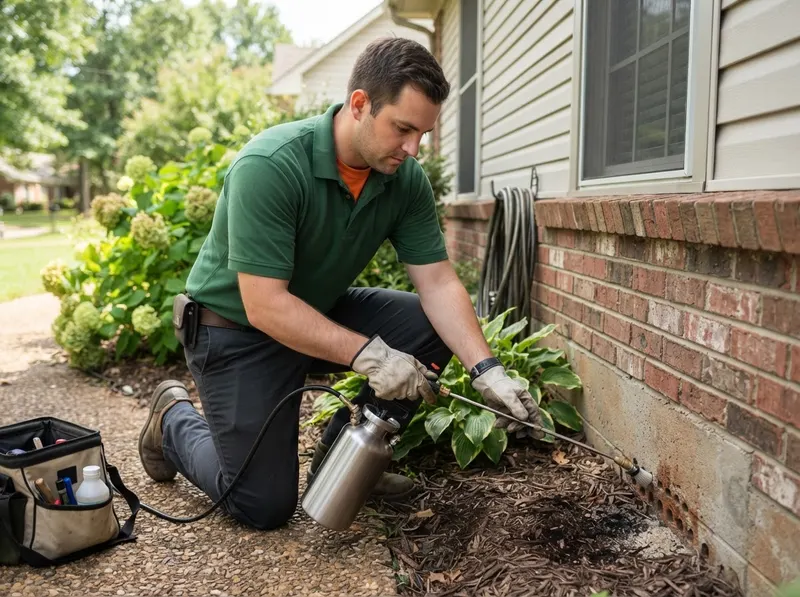
Perimeter ant colonization control targets odorous house ants, acrobat ants, and carpenter ant colonies nesting along foundation margins. The strategy deploys slow-acting, non-repellent liquid formulations along exterior siding thresholds, window frames, and foundation expansion tracks. Worker ants track these micro-actives directly back to the subterranean queen via natural social grooming, dismantling entire subterranean colony networks rather than simply deflecting foraging lines across exterior brick weep holes. Perimeter soil treatments around root zones, landscape timbers, and decorative stone installations sever exterior nesting bridges before worker trails penetrate interior wall cavities.
Get a quote →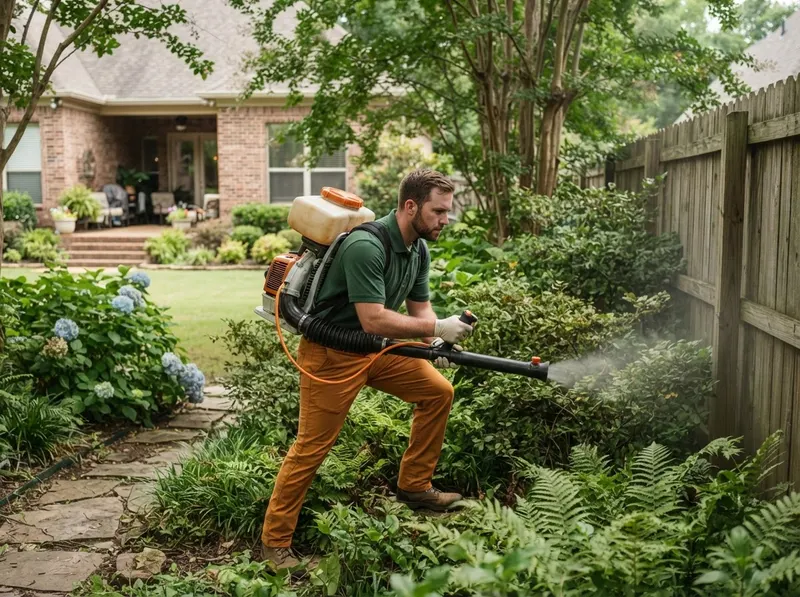
Seasonal mosquito barrier suppression mitigates floodwater and container-breeding mosquito species, including Aedes albopictus, across residential properties. Field specialists deploy bio-rational micro-encapsulated adulticides paired with biological larvicides (Bacillus thuringiensis israelensis) directly into standing water catchments, dense ornamental shrubbery, and low-lying perimeter groundcover. This dual action suppresses adult resting vectors and stops larval metamorphosis near outdoor gathering areas throughout Memphis's humid summer cycles. Field protocols evaluate downspout drainage patterns, French drains, and unsealed rain barrels, neutralizing stagnant water retention zones across residential acreage.
Get a quote →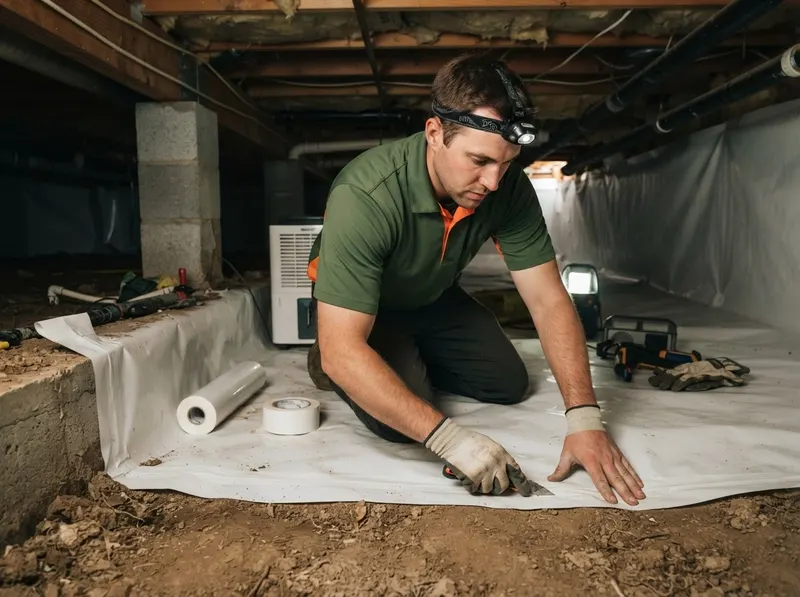
Crawl space encapsulation moisture defense addresses the primary biological attractant for wood-boring pests and subterranean mold. Technicians install high-tensile 12-mil to 20-mil vapor barriers over exposed delta clay soils, seal foundation vents, and install automated mechanical dehumidifiers. Regulating sub-floor relative humidity below 55% removes the ambient moisture required for termite survival and stops wood decay fungi from degrading subfloor joists and subflooring assemblies. Drainage trenches and commercial sump pump systems are positioned where hydrostatic pressure forces groundwater through masonry footings, permanently stopping wood saturation along foundation sills.
Get a quote →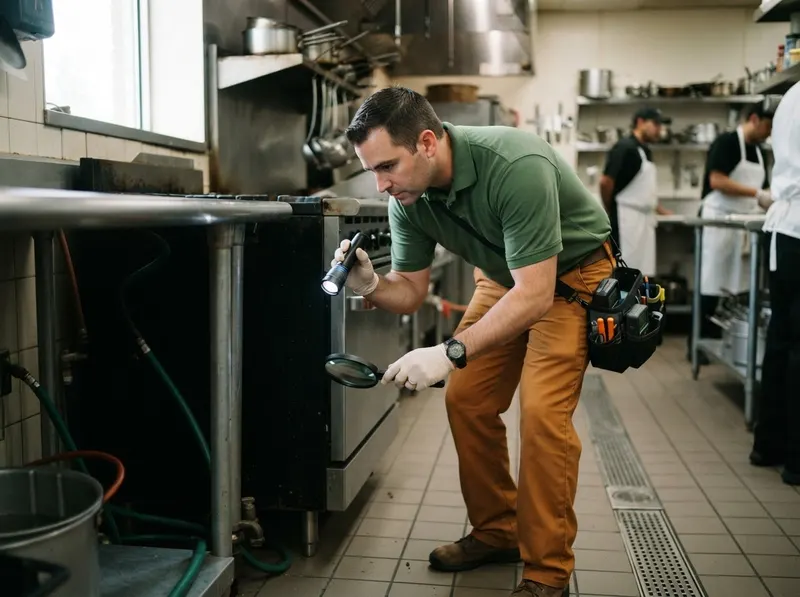
Commercial kitchen sanitation pest auditing delivers rigorous bio-security for restaurants, hospitality operations, and food-handling facilities across Shelby County. Protocols utilize barcoded electronic monitoring points, non-toxic pheromone traps, and precise crack-and-crevice treatments compliant with health department standards. Detailed digital reporting documents trend analyses, sanitary deficiencies, and pest harborage vulnerabilities to maintain commercial audit readiness without interfering with culinary production. Targeted night-cycle audits evaluate structural plumbing chases, floor drains, and hollow stainless steel prep tables to eliminate grease and food matter harborages before commercial health inspections.
Get a quote →You get a firm, itemized quote for your pest control service before any work begins, no surprises, no pressure.
Careful prep, tidy work, and a full cleanup when we are done. We treat your home and belongings like our own.
The same trusted, background-checked team from the first call to the final check.
Selecting appropriate biological mitigation depends on pest reproduction biology, structural access points, and the moisture profile of the foundation. If an infestation involves active wood-destroying organisms inside sill plates or floor joists, property owners should choose targeted liquid termiticide trenching or localized structural borate injections rather than broad surface applications; the trade-off is higher initial procedural costs and detailed foundation drilling compared to simple perimeter sprays. If German cockroaches or bed bugs colonize interior living quarters, owners should implement multi-stage insect growth regulator placements combined with targeted microencapsulated baits rather than general aerosol fogging; the trade-off is an intensive 14-day preparation requirement and mandatory mechanical sanitation rather than instant single-visit knockdown.
For persistent exterior pests such as American cockroaches and perimeter ants migrating from Wolf River alluvial soils, establishing an exterior granular and liquid repellent boundary every 90 days provides complete exclusion without introducing chemical agents into living areas; the trade-off requires consistent clearance of exterior mulch beds and pine straw along slab margins. When addressing chronic rodent incursions in historic crawl spaces, choosing comprehensive physical envelope exclusion using galvanized steel mesh provides permanent barrier defense; the trade-off is a higher upfront mechanical labor fee compared to recurring exterior rodenticide bait station leases that leave entry pathways vulnerable to re-infestation.
Every project gets a firm, written price after a free on-site visit. Ranges below for orientation.
Tell us about your pest control service job and we'll send a clear, written quote, usually the same day. Or just call and talk to a real Memphis pro.
(901) 202-2783
Properties throughout Shelby County contend with unique pest dynamics driven by expansive alluvial Mississippi Delta clay soils and severe sub-floor humidity swings. In historic Midtown, Central Gardens, and Cooper-Young, elevated hardwood framing resting on brick piers routinely absorbs ground moisture, providing ideal entry vectors for subterranean termite mud tubes and wood-boring beetles. Further east in Cordova, Highpoint Terrace, and East Memphis, modern concrete slab foundations frequently experience perimeter settling, permitting rodent entry and pavement ant colonies to exploit plumbing expansion gaps beneath interior utility rooms. The heavy tree canopy along the Wolf River corridor, traversing Raleigh and adjacent residential enclaves, generates intense seasonal populations of tree squirrels, roof rats, and wood roaches that exploit overhanging branches to bypass ground perimeter defenses. Dense summer vegetation in Whitehaven and Binghampton retains ambient humidity, establishing micro-environments that prolong mosquito breeding windows and foster persistent subterranean ant supercolonies along brick masonry foundations. Seasonal saturation of the Mississippi River basin frequently forces subterranean pests upward through crawl spaces and concrete cold joints, requiring specialized non-repellent soil barriers engineered to remain bound to dense alluvial clay without washing out during severe spring rainfall events.
Free estimates for Memphis & the surrounding area.
 BugBlocker Pest Control